
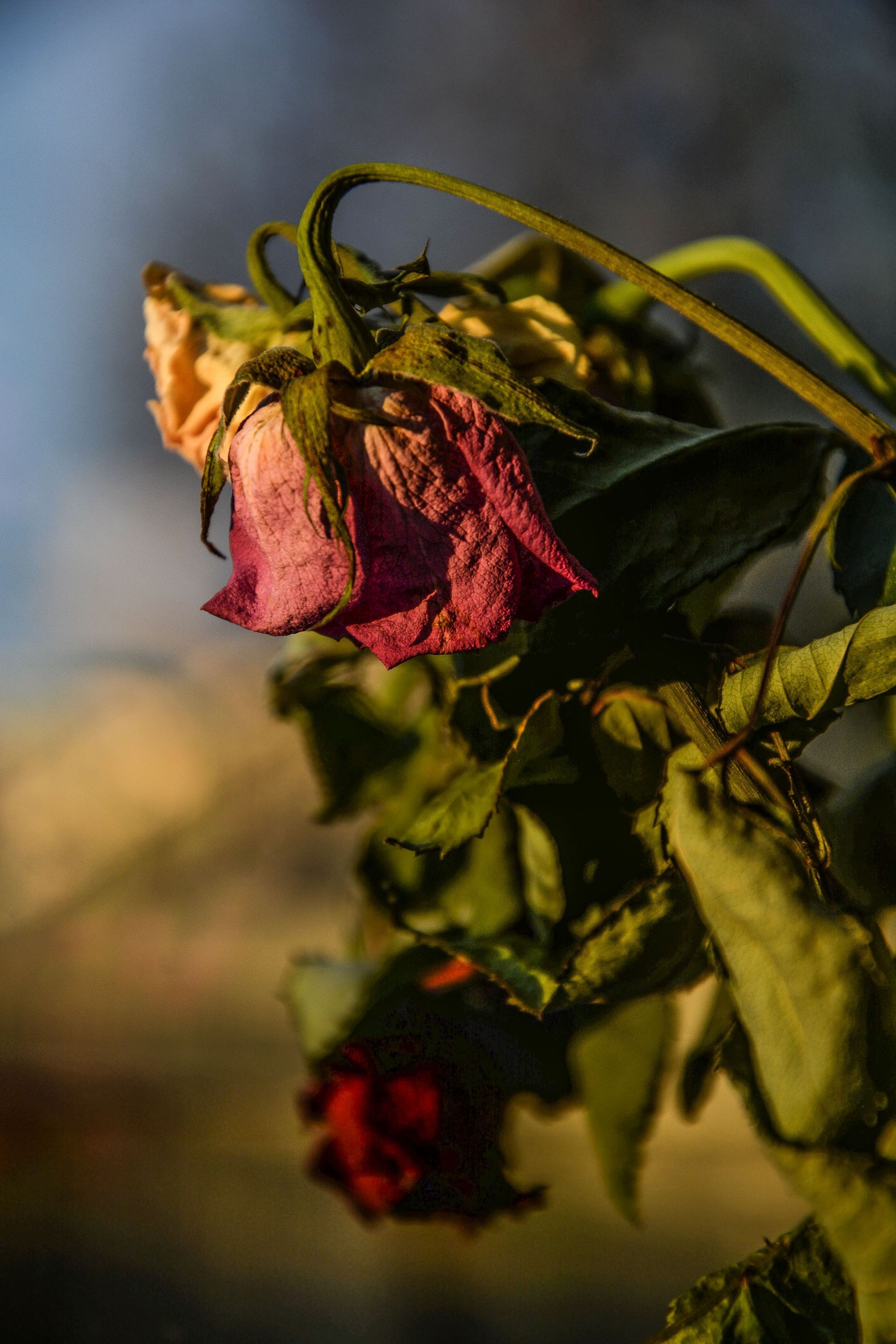
Understand Wilmington's drought effects on gardens & plants. Contact us for expert advice on plant care during dry spells.
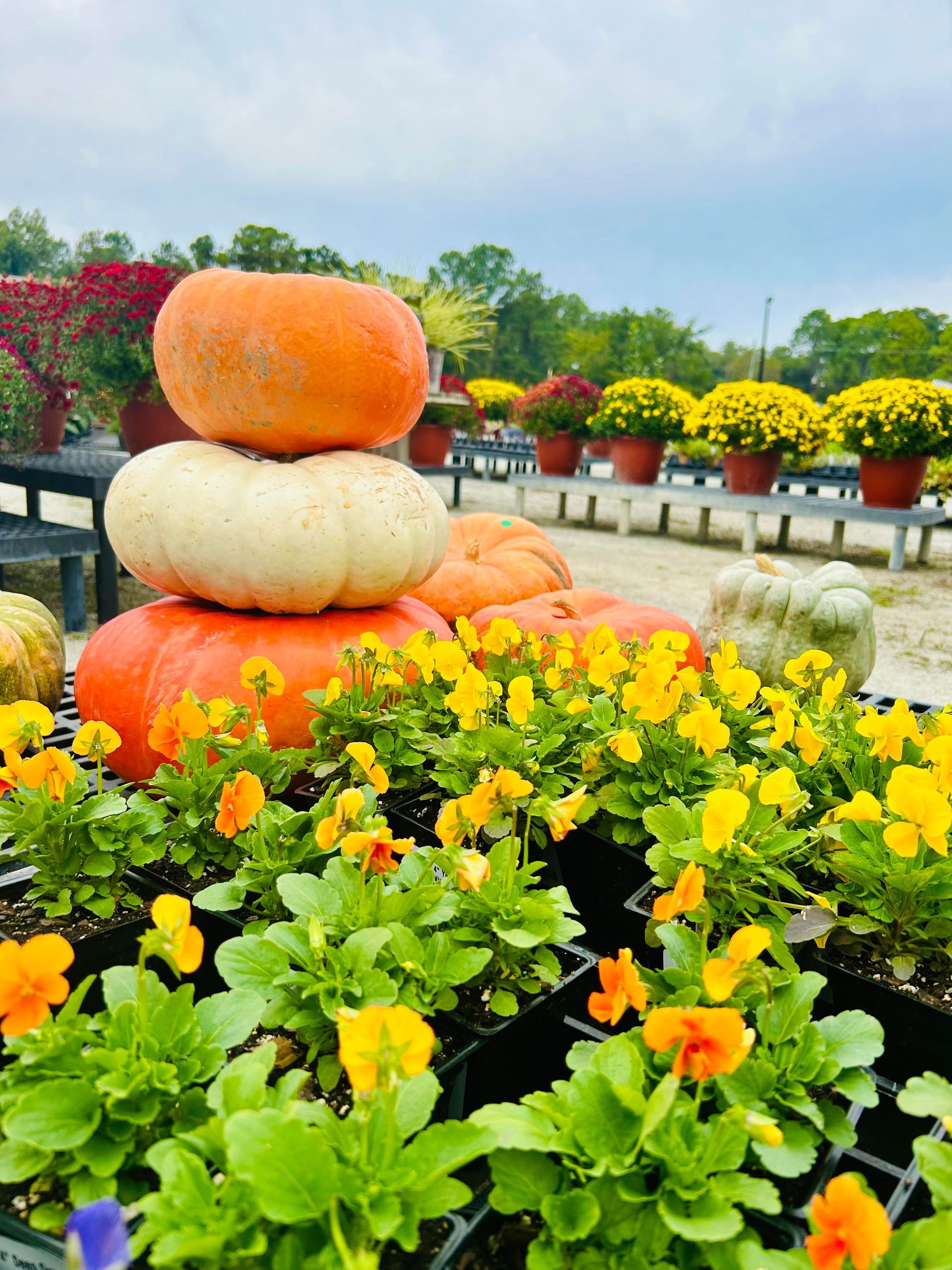
Wait until cooler temperatures before planting those cool season flowers
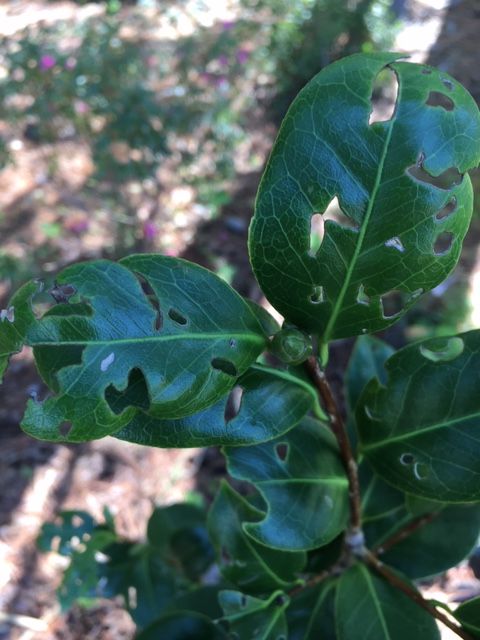
Camellia with c shaped holes in the leaves
The body content of your post goes here. To edit this text, click on it and delete this default text and start typing your own or paste your own from a different source.
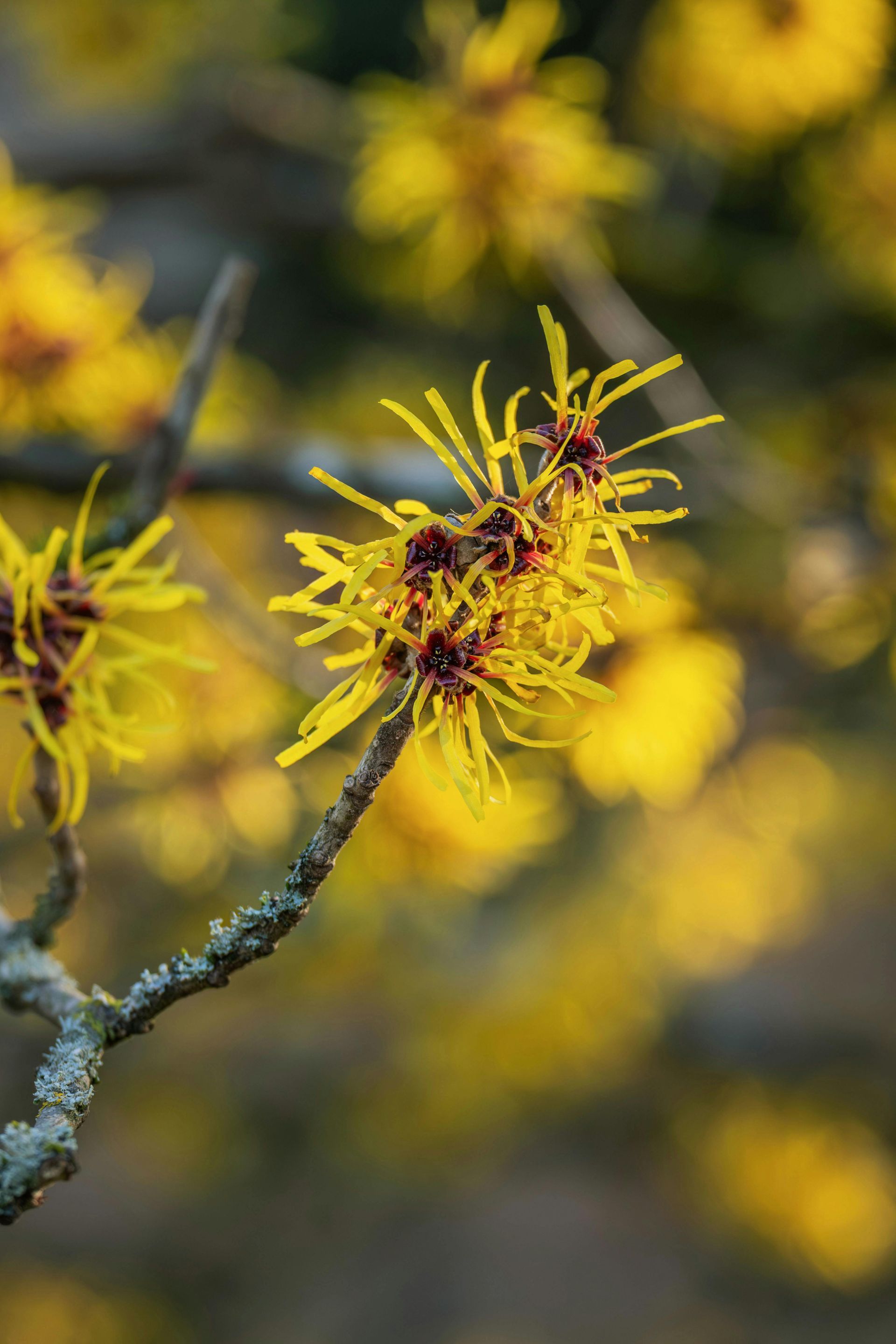
March is a month of transition in the Cape Fear region. While the afternoon sun feels warm, it is important to remember that we still have a significant potential for frost. Don't let a few warm days fool you into rushing your planting; jumping the gun can lead to losing tender plants to a late-season cold snap.
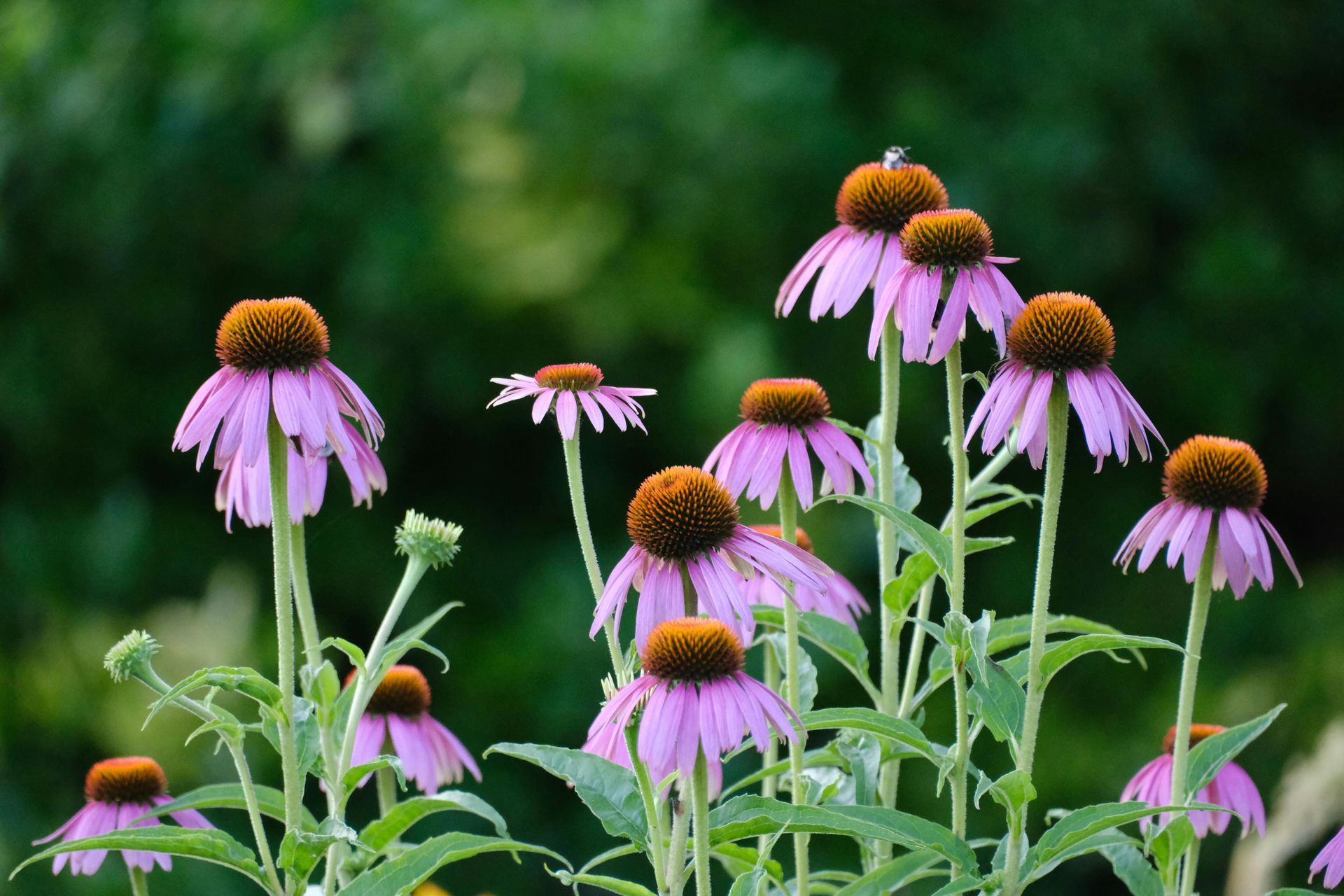
There’s a persistent misconception about native plant gardens—especially in Zone 8—that they can (and should) look like a traditional evergreen-heavy cottage garden all year long. The reality? That expectation often sets gardeners up for frustratio
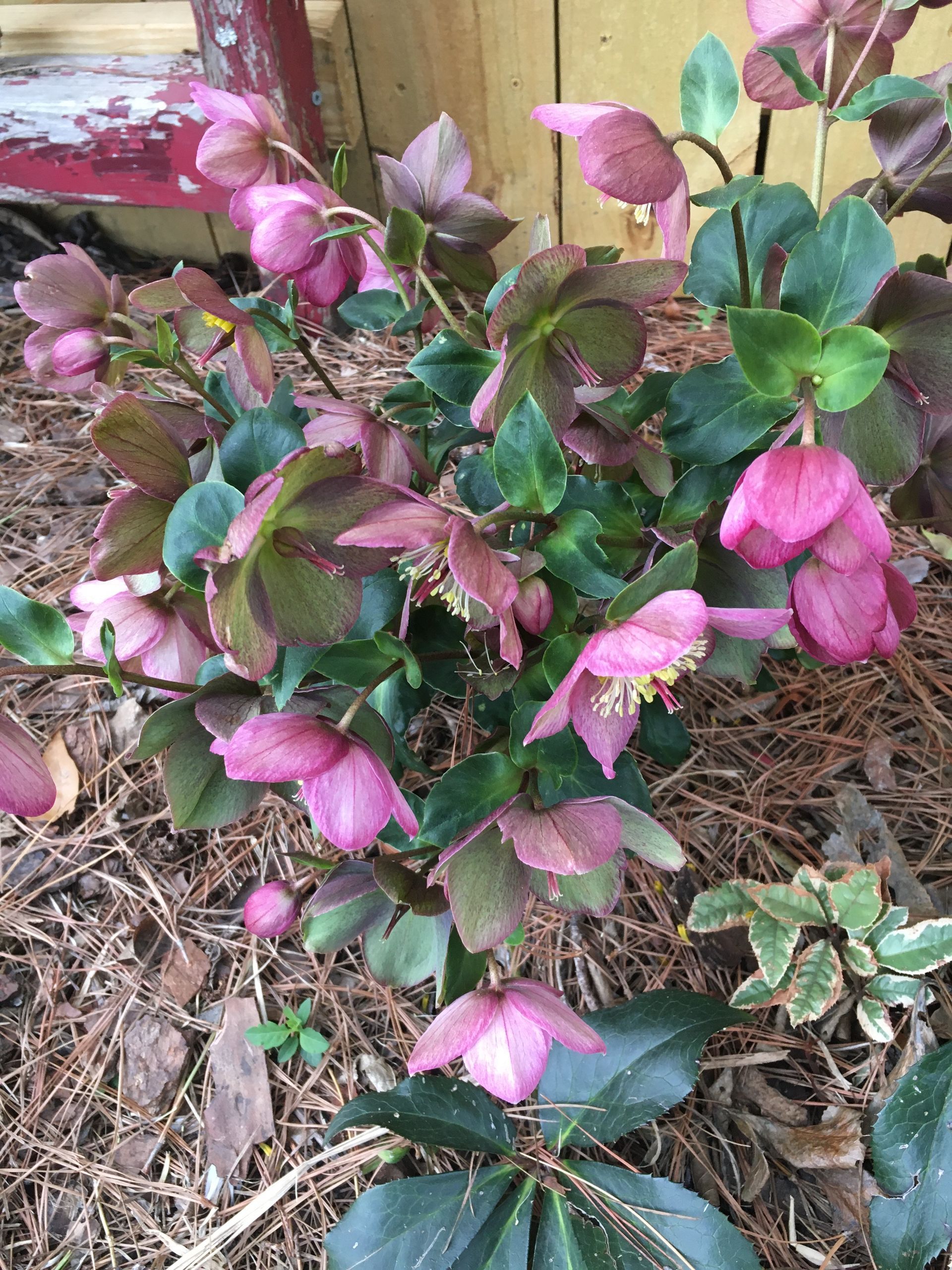
As the rest of the garden sleeps under the gray skies of a coastal North Carolina winter, one plant stands out as a true resilient beauty: the Hellebore. Often called the Lenten Rose or Christmas Rose, these perennials are the unsung heroes of the Wilmington landscape. If you are looking to add sophisticated color to your garden when almost nothing else is brave enough to bloom, hellebores are your answer. A Symphony of Seasonal Blooms One of the most fascinating aspects of hellebores is the sheer variety of species and hybrids available, each with its own internal clock. By selecting different varieties, you can effectively have blooms in your garden from late December through early spring. Some varieties, like Helleborus niger, often start their show around the holidays, while the more common Helleborus orientalis hybrids typically peak in February and March. Because the "petals" are actually sepals (a protective part of the flower), the blooms are incredibly long-lasting, often staying attractive for several months as they slowly fade to muted greens and dusty pinks. Performance in the Southeast In the unique climate of Wilmington and the broader Southeast, hellebores perform exceptionally well if their basic needs are met. While many gardening books label them as "shade plants," our coastal light requires a bit more nuance. In the Southeast, they thrive in "bright shade" or dappled sunlight. Providing lots of light—especially during the winter months when deciduous trees have dropped their leaves—is key to a prolific bloom cycle. However, they do appreciate protection from the harsh, direct afternoon sun of our humid summers. Soil and Establishment: Patience is a Virtue The secret to a happy hellebore lies beneath the surface. These plants are heavy feeders and crave high-quality organic soil. Before planting, it is highly recommended to amend your garden bed with plenty of compost or well-rotted leaf mold. They prefer soil that is moist but well-drained; they do not like "wet feet," which can lead to crown rot in our humid climate. It is important to manage your expectations during the first year. Hellebores are notorious for taking their time to get established. You might not see much top growth or many flowers in the first season as the plant focuses its energy on developing a deep, sturdy root system. Be patient—once they settle in, they are incredibly long-lived and will reward you for decades. The Golden Rule: Do Not Move Them If there is one thing a hellebore dislikes more than soggy soil, it is being relocated. These plants have deep, brittle root systems that do not take kindly to being disturbed. When choosing a spot for your hellebore in your Wilmington garden, think of it as a permanent residence. Moving a mature hellebore often results in a "sulk" that can last for a year or two, or in some cases, the plant may fail to recover entirely. Pick your spot wisely, prepare the soil beautifully, and then let them be. Why We Love Them Beyond their winter beauty, hellebores are deer-resistant and relatively pest-free, making them a low-maintenance choice for coastal gardeners. Their evergreen foliage provides a lush, leathery texture to the garden floor even when the flowers are finished. Whether you are a seasoned gardener or just starting to explore what works in our Zone 8b climate, the hellebore is a worthy investment. Give them the organic richness they crave and the time they need to anchor themselves, and they will become the crown jewels of your winter garden for years to come.
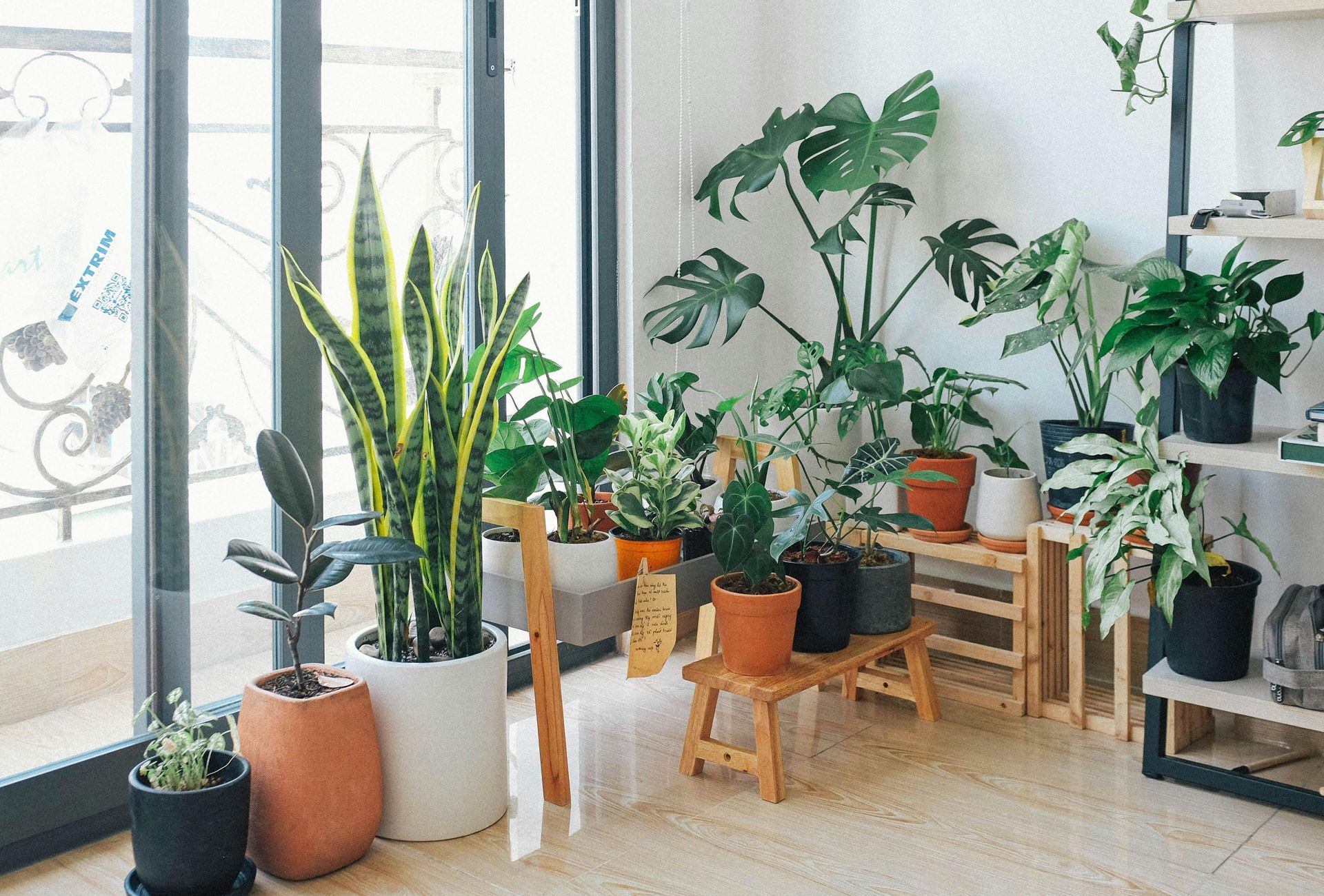
Whether you need expert coaching, professional plant diagnostics, or help designing a native, pollinator, or vegetable garden, our team is here to guide you. Having problems with your houseplants? We can help with that too!

Garden pathway wandering into a snow covered garden full of southern favorites like azaleas, camellias, palms and oaks.
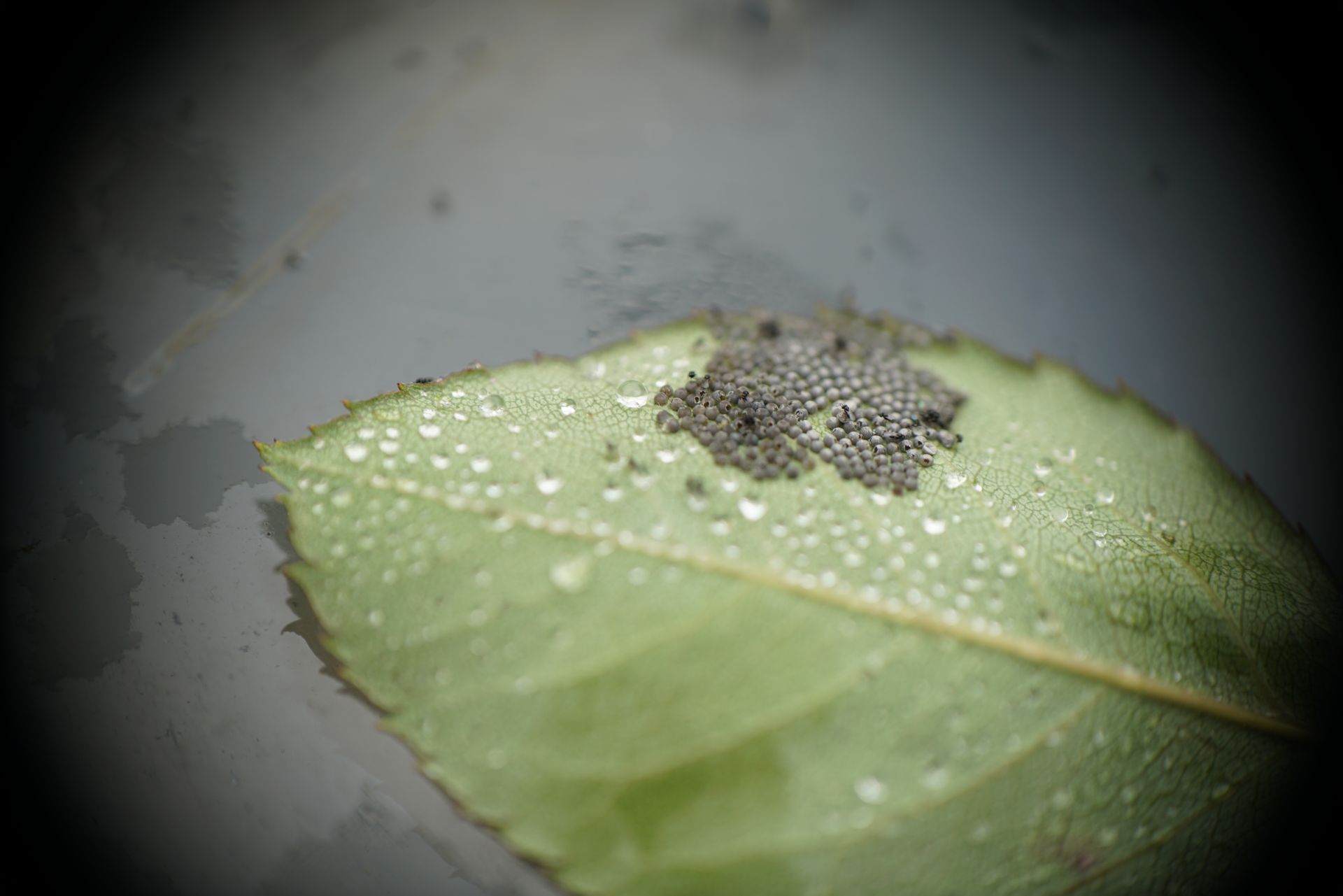
Cluster of small, dark eggs on a green leaf covered in water droplets. Set against a dark background.